traces of a reading

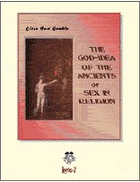
Εξώφυλλο: Eliza Burt Gamble, The God-Idea of the Ancients or Sex in Religion

'As through a study of Comparative Ethnology, or through an investigation into the customs, traditions, and mythoses of extant races in the various stages of development, have been discovered the beginnings of the religious idea and the mental qualities which among primitive races prompted worship, so, also, through extinct tongues and the symbolism used in religious rites and ceremonies, many of the processes have been unearthed whereby the original and beautiful conceptions of Nature, and especially the creative functions in human beings gradually became obscured by the grossest ideas and the vilest practices. The symbols which appear in connection with early conceptions of a still earlier and purer age, when compared with subsequently developed notions relative to the same objects, indicate plainly the change which has been wrought in the original ideas relative to the creative functions, and furnish an index to the direction which human development, or growth, has taken.
As the human race constructs its own gods, and as by the conceptions involved in the deities worshipped at any given time in the history of mankind we are able to form a correct estimate of the character, temperament, and aspirations of the us through the means of symbols, monumental records, and the investigation of extinct tongues, proves that from a stage of Nature worship and a pure and rational conceptions of the degenerated into mere devotees of sensual pleasure. With the corruption of human nature and the decline of mental power which followed the supremacy of the animal instincts, the earlier abstract idea of God was gradually lost sight of, and man himself in the form of a penetrate or ruler, together with the various emblems of virility, came to be worshipped as the Creator. From adorers of an abstract creative principle. mankind had lapsed into worshippers of the symbols under which this principle had been veiled.
Although at certain stages in the history of the human race the evils, which as a result of the supremacy of the ruder elements developed in mankind had befallen the race were lamented and bewailed, they could not be suppressed. Man had become a lost and ruined creature. The golden age had passed away.'

Eliza Burt Gamble, The God-Idea of the Ancients or Sex in Religion, publisher: Locus 7
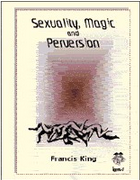
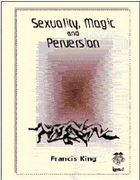
Εξώφυλλο: Francis King, Sexuality, Magic and Perversion

'Thessaly was the home of Hecate, goddess of childbirth, abortion, poison and witchcraft. Originally she was probable an Asiatic goddess but the Greeks had naturalised her, and, while it can hardly be said that they had taken her into their hearts, they were certainly afraid of her. In Samothrace her worship was amalgamated with that of those extraordinary deluge-gods the Kabiri, and in Caria her worship was carried on by eunuch priests, a fact which seems to provide some link between Hecate and the Asiatic goddess Cybele, whose devotees showed their love of their Lady by self-emasculation.

By the fifth century B.C. Hecate had become identified with both Artemis, the chaste moon-goddess, and with “Diana the many-breasted” - yet a third Greek deity associated with the moon. The later pagans rationalised the existense of three separate moon-goddesses by arguing that the moon was the symbol of femininity and thus had three aspects; Artemis, corresponding to the young,chaste girl, Diana, symbolising the menopause, sterile, cold and dark. Nevertheless, originally Hecate was not a lunar deity, and it is probable that the identification with Artemis was made because both deities were associated with the canine world -Artemis had a pack of hounds,while the black dog was sacred to Hecate and the appearance of such a hound was popularly supposed to be a herald of her appearance- and with wild nature.

The terrifying nature of the worship Hecate is illustrated by the following invocation of her: “Come infernal ... Bombo, goddess of the broad, roadways, of the crossroad, thou who goest to and fro at night, torch in hand, enemy of the day, friend and ,over of darkness, thou who dost rejoice when the bitches are howling and warm blood is spilled, thou who art walking amid the phantom and in the place of tombs, thou whose thirst is blood, thou who dost strike chill fear into mortal heart, Gorgo, Mormo, Moon of a thousand forms, cast a propitious eye upon our sacrifice.”'

Francis King, Sexuality, Magic and Perversion, publisher: Locus 7

'Never Alone' [album: The Origin of Man (1996)] - Joe Gallivan & Brian Cuomo featuring Elton Dean

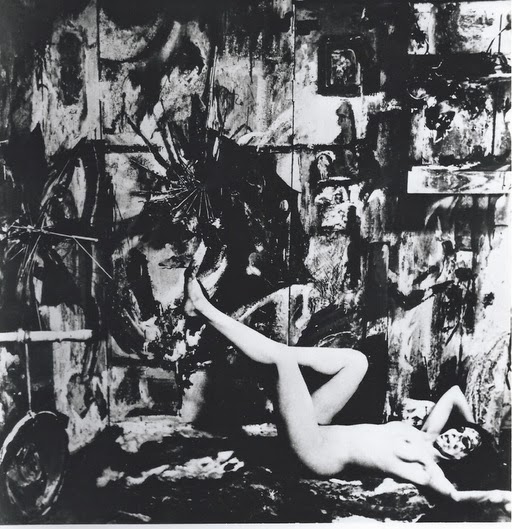
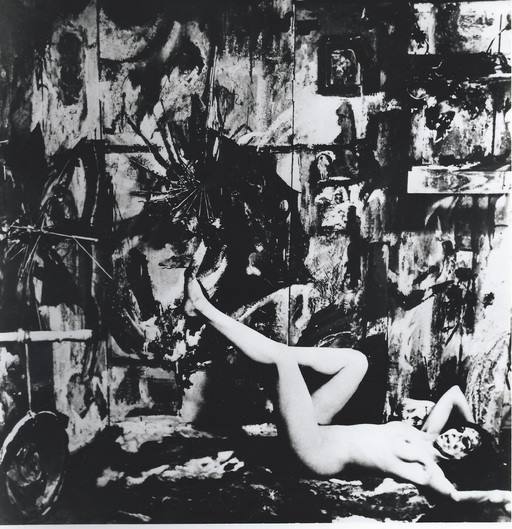
Καρέ: Carolee Schneemann, Eye Body: 36 Transformative Actions (1963) (1/2)
Καρέ: Carolee Schneemann, Eye Body: 36 Transformative Actions (1963) (2/2)
Frame grab from Carolee Schneemann’s Eye Body: 36 Transformative Actions (1963)

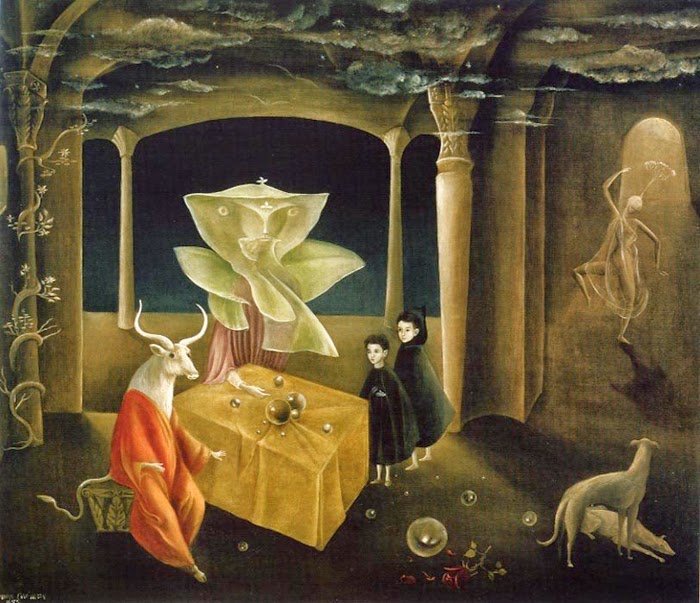
Leonora Carrington, And Then We Met the Daughter of the Minotaur (1953)
And Then We Met the Daughter of the Minotaur (1953) - Leonora Carrington

'Love' [album: First Meditations (for quartet) (1977)] - John Coltrane

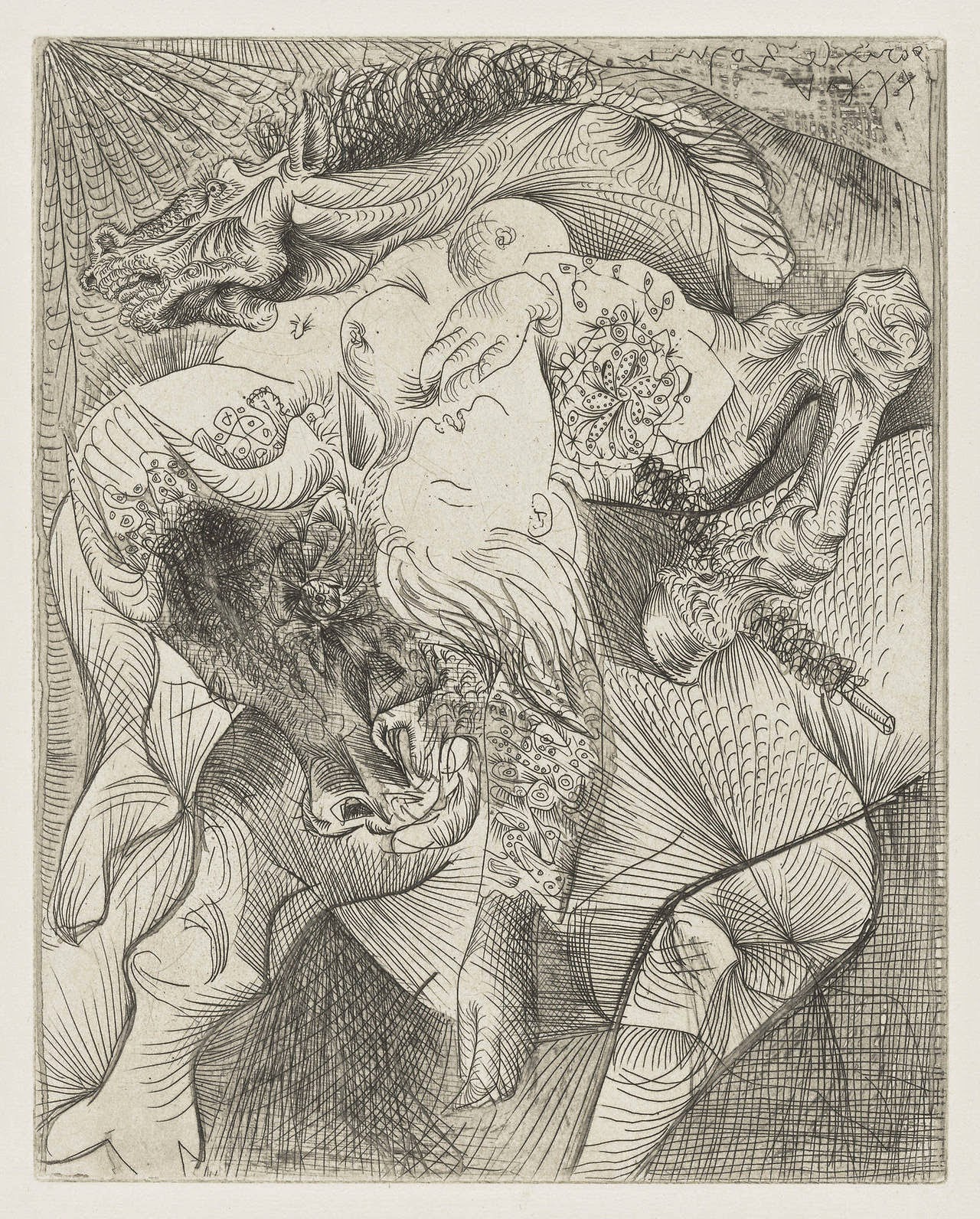
Pablo Picasso, Marie-Thérèse as Female Torero [Marie-Thérèse en femme torero] from the Vollard Suite [Suite Vollard]
Marie-Thérèse as Female Torero [Marie-Thérèse en femme torero] from the Vollard Suite [Suite Vollard] - Pablo Picasso

All 1,063 entries, newest first